

Keeping EVs Within Reach: Policy Shifts, Messaging, and Affordability
Apr 14th 10AM to 11AM PST
Learn what it will take to keep electric vehicles affordable, reliable and appealing to all communities.

As government EV incentives shift and the charging and infrastructure landscape continue to evolve, consumers face a more complex decision when considering whether to go electric. Used EV access, cost parity, convenience, and charging reliability will continue to shape whether EV adoption continues to expand to all communities or becomes increasingly uneven.
Join us for a grounded conversation on the future of EV affordability and what policymakers, program administrators, utilities, and industry partners can do to ensure equitable access. Our panelists will examine how changes to incentives influence both new and used EV markets, what’s needed to support lower- and moderate-income households, and how consumer perceptions around charging convenience and reliability impact real and perceived costs.
We’ll cover:
- How evolving rebate and tax credit structures affect new and used EV affordability
- People-centered strategies to ensure all communities benefit from EV incentives and infrastructure
- Messaging approaches that address consumer concerns around convenience, reliability, and value
Moderator
Erin Lusch, Senior Program Manager, Forth
 Erin leads the Access to Cars programs team with the mission to reduce barriers and provide equitable access to electric vehicles. She has a background in customer relations and sales account management, and brings start-up and international non-profit experience.
Speakers
Michael Maten, Director, EV Policy and Regulatory Affairs, General Motors
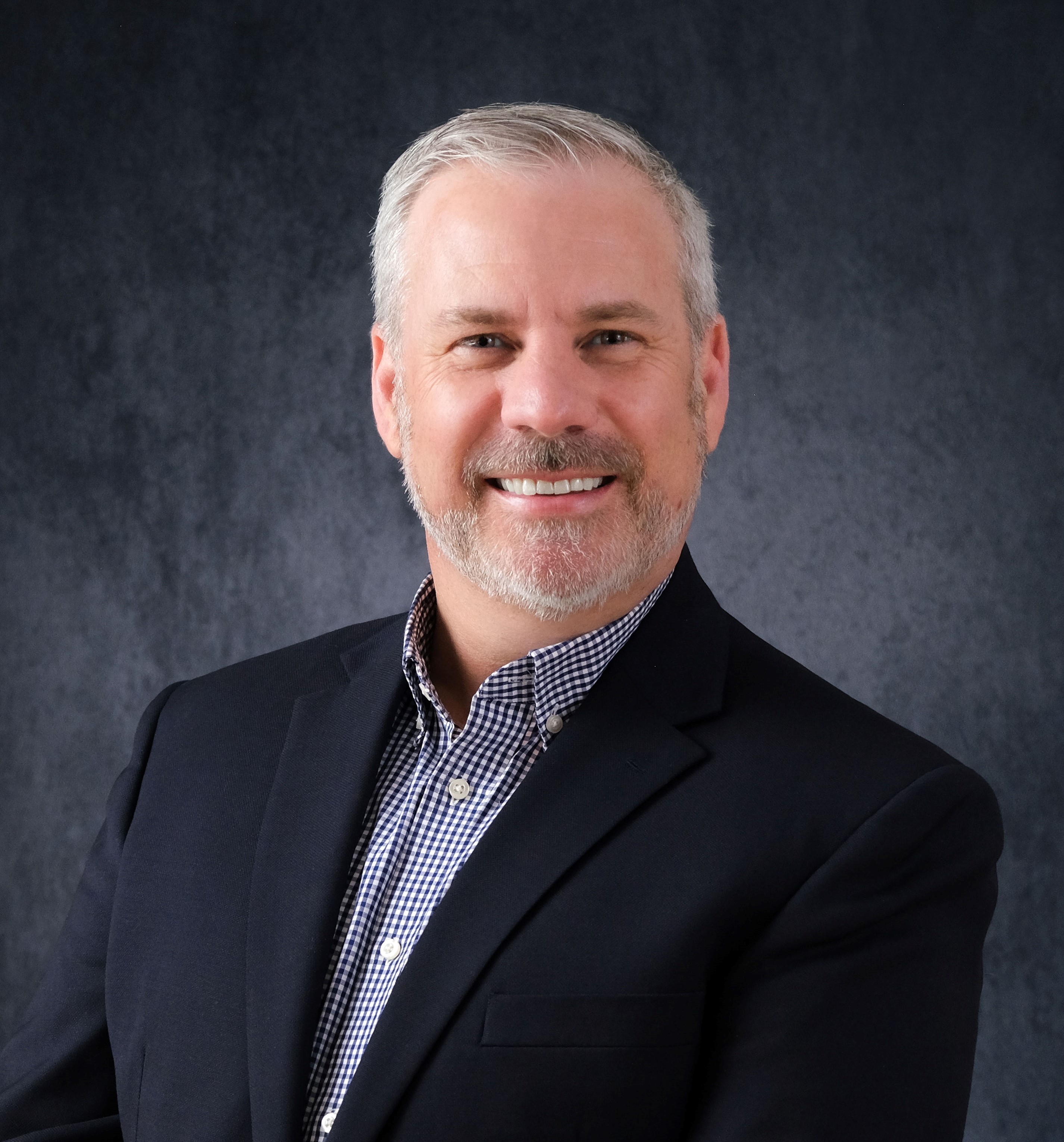 With over 25 years in the automotive industry, Michael is the Director, EV Policy and Regulatory Affairs for General Motors. His group leads policy efforts at the Federal, State, and local levels around incentives, infrastructure, and building circular battery and mineral supply chains, all with the goal of supporting GM’s growing EV portfolio. He previously worked in the Electric Propulsion space, as part of GM’s Product Planning and Strategy group. He led the advanced planning effort for GM’s flexible EV platform that underpins its current generation of battery electric vehicles. Prior to that, Michael worked all around the globe for GM on several vehicle, strategy, and telematics projects. In addition to his work at GM, he served as Chair of the Indiana EV Product Commission, a governor-appointed 10-member commission whose goal was to promote EV and battery supply chain investment in the state. He is also a board member of Forth, whose mission is to electrify transportation by bringing people together to create solutions that reduce pollution and barriers to access.
Emma Wyma, Energy Policy Specialist – Electric Vehicle Charging, WA State Department of Commerce
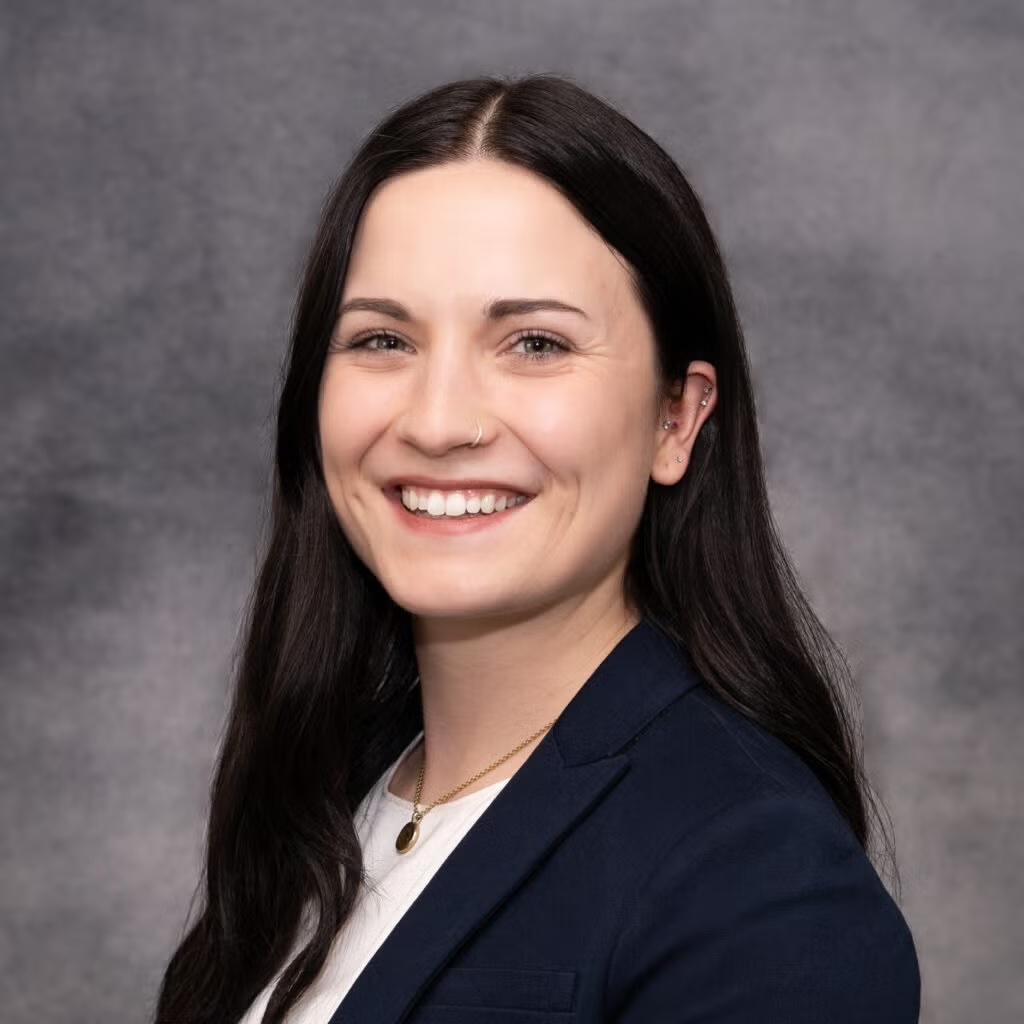 Emma Wyma is an Energy Policy Specialist at the Washington State Department of Commerce, where she leads policy development and legislative strategy for EV charging infrastructure and grid readiness. She also supports the state’s clean transportation programs and EV rebate initiatives, working to connect transportation electrification to help Washington meet its emissions reductions goals. Before entering energy policy, Emma spent several years in political organizing, building a foundation in public communication and stakeholder outreach.
Sandra Jones, Director of Program Collaborations, Metropolitan Family Service
 Sandra joined Metropolitan Family Service in 2018, and is the Director of Program Collaborations. She grew up in Hong Kong and Hawaii and received her degree in Business Economics. She has been working with historically underserved and rapidly changing demographic school districts and neighborhoods, for more than 15 years. Her start with MFS was in the Schools Uniting Neighborhoods Program and part of her role, now, is the project manager for their Innovation Grant in lowering carbon emissions, as part of the Portland Clean Energy Community Benefits Fund. She also oversees the Portland Electric Ways to Work program, which focuses on supporting the underserved communities to access lower carbon vehicles and e-bikes. The program includes electric transportation education, financial coaching, and support with purchases and loans. She also works with community based organizations in various initiatives.